Research at RIIC

One of the most exciting opportunities unlocked by deep learning is the ability to compress complex, high-dimensional information into digestible concepts that humans can engage with directly. This is especially valuable in intensive care and anesthesia, where clinicians must make rapid, high-stakes decisions while navigating a constant stream of vital signs, laboratory trends, imaging, medications, and procedural context.

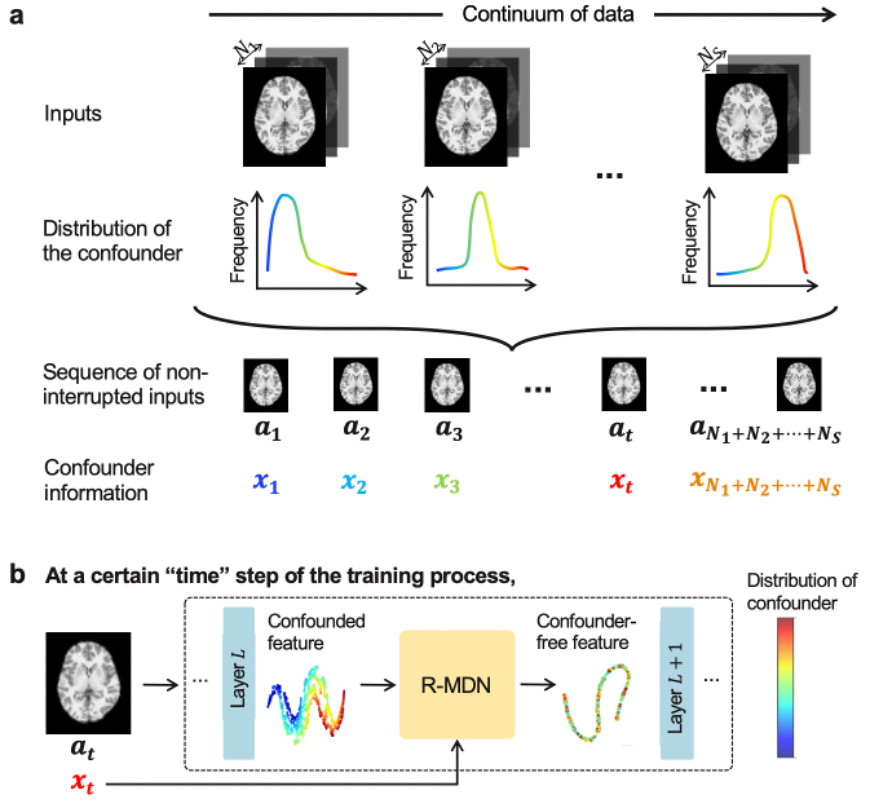
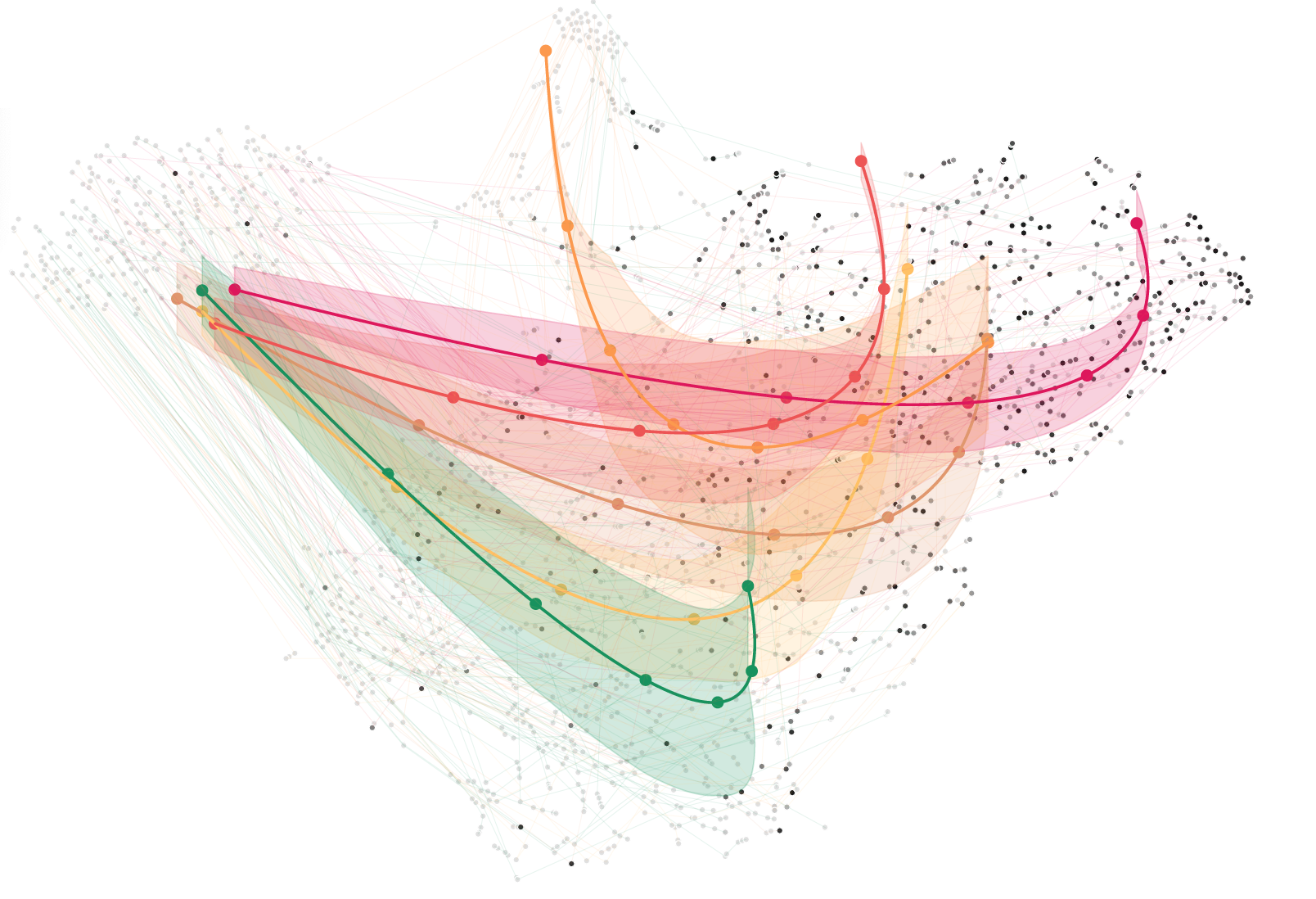
At RIIC, we aim to build and evaluate representational embeddings that distill this richness into clinically meaningful structures. By closely examining the latent spaces of deep learning models, we can detect subtle shifts in data distributions, retrieve similar cases from the past, and train models that adapt to evolving clinical environments. In this fashion, we can build applications that are truly safe, useful, and impactful in clinical practice.
Latest News & Updates

Lab members

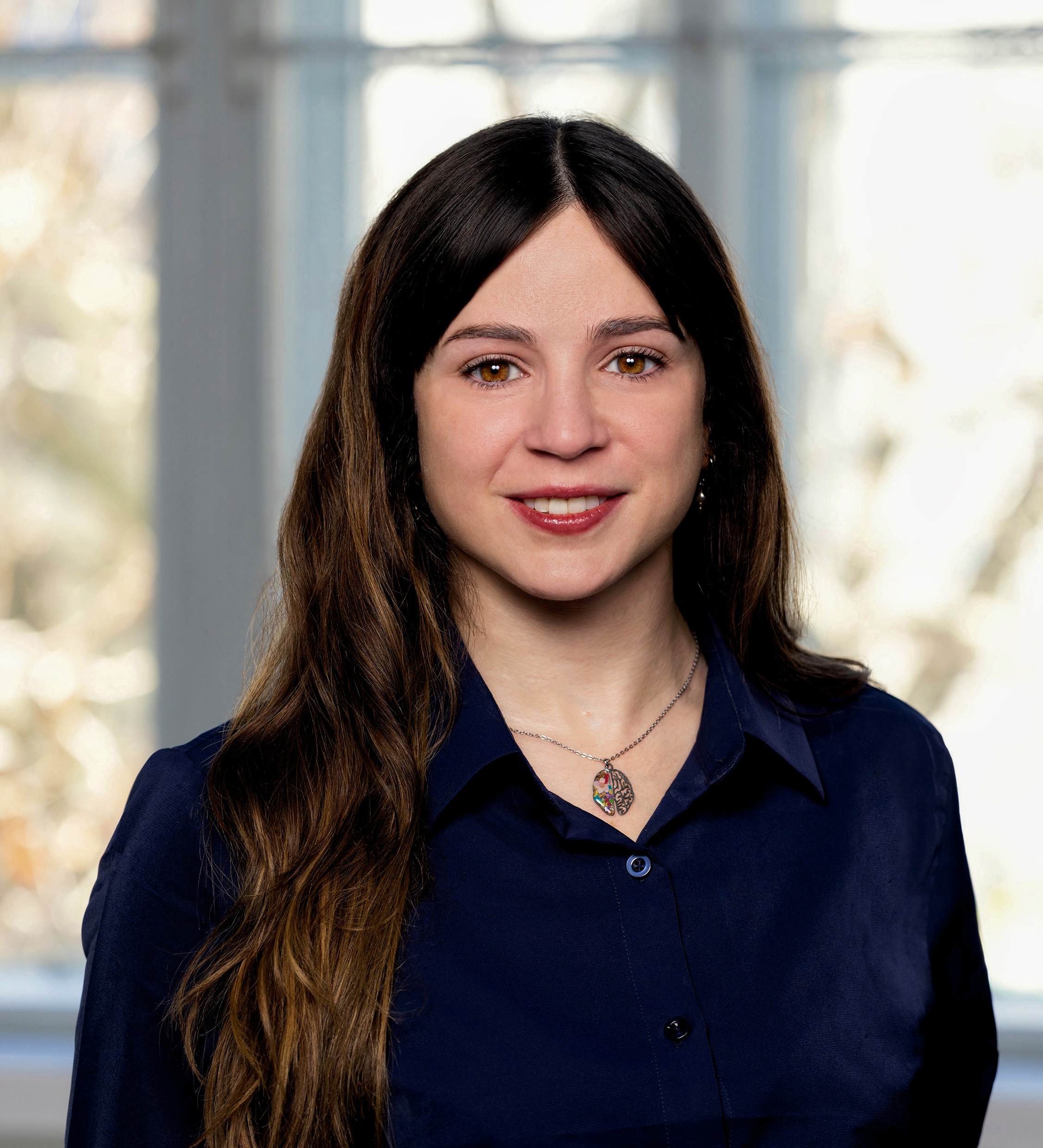
Dr. Camila González

Camila González is a tenure-track Assistant Professor at the Medical University of Vienna and the Principal Investigator of the Representational Intelligence for Intensive Care (RIIC) lab, which develops machine learning applications for intensive care and perioperative medicine. She completed her PhD at the Technical University of Darmstadt and worked as a Postdoctoral Researcher at Stanford, where she focused on dynamic learning and monitoring for clinical settings with ongoing data collection. Her research has received multiple distinctions, including the MICCAI Young Scientist Award, the François Erbsmann Award at the IPMI conference, the BVM Award from the German Conference on Medical Image Computing, and the Freunde der TU Darmstadt Award for Outstanding Scientific Achievements. Her work has been featured in outlets such as Computer Vision News and the AI-Ready Healthcare podcast. Beyond her research, Camila has served as president of the MICCAI Student Board for two years and will take on the role of Career Development & Student Chair for MICCAI 2026. She is also a board member of the ContinualAI research society and webinar chair for IEEE EMBC.

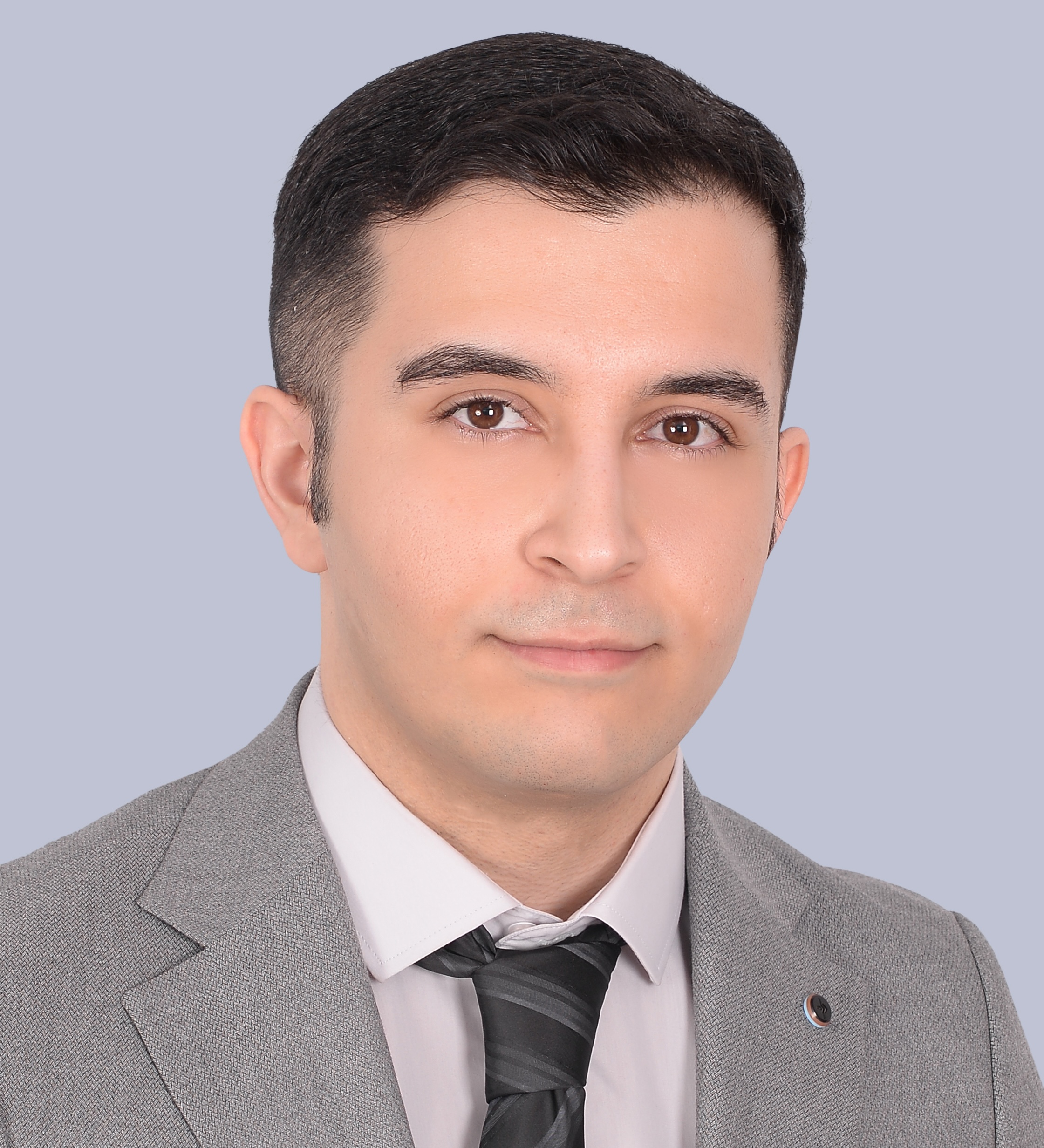
Dr. Amir Vahdani

Amir Vahdani is an MD from Tehran University of Medical Sciences. His background is in medicine, but he's spent the last several years working at the intersection of clinical research and machine learning — mostly on medical image analysis, with a focus on segmentation and uncertainty quantification. Before coming to Vienna, he was based at Tehran's Image-Guided Surgery Lab, where he worked on deep learning models for intraoperative ultrasound and chest CT images. Amir has also had collaborations with the Hospital for Special Surgery in New York on musculoskeletal imaging, and with Iran's Health Insurance organization on EHR data mining, among others.

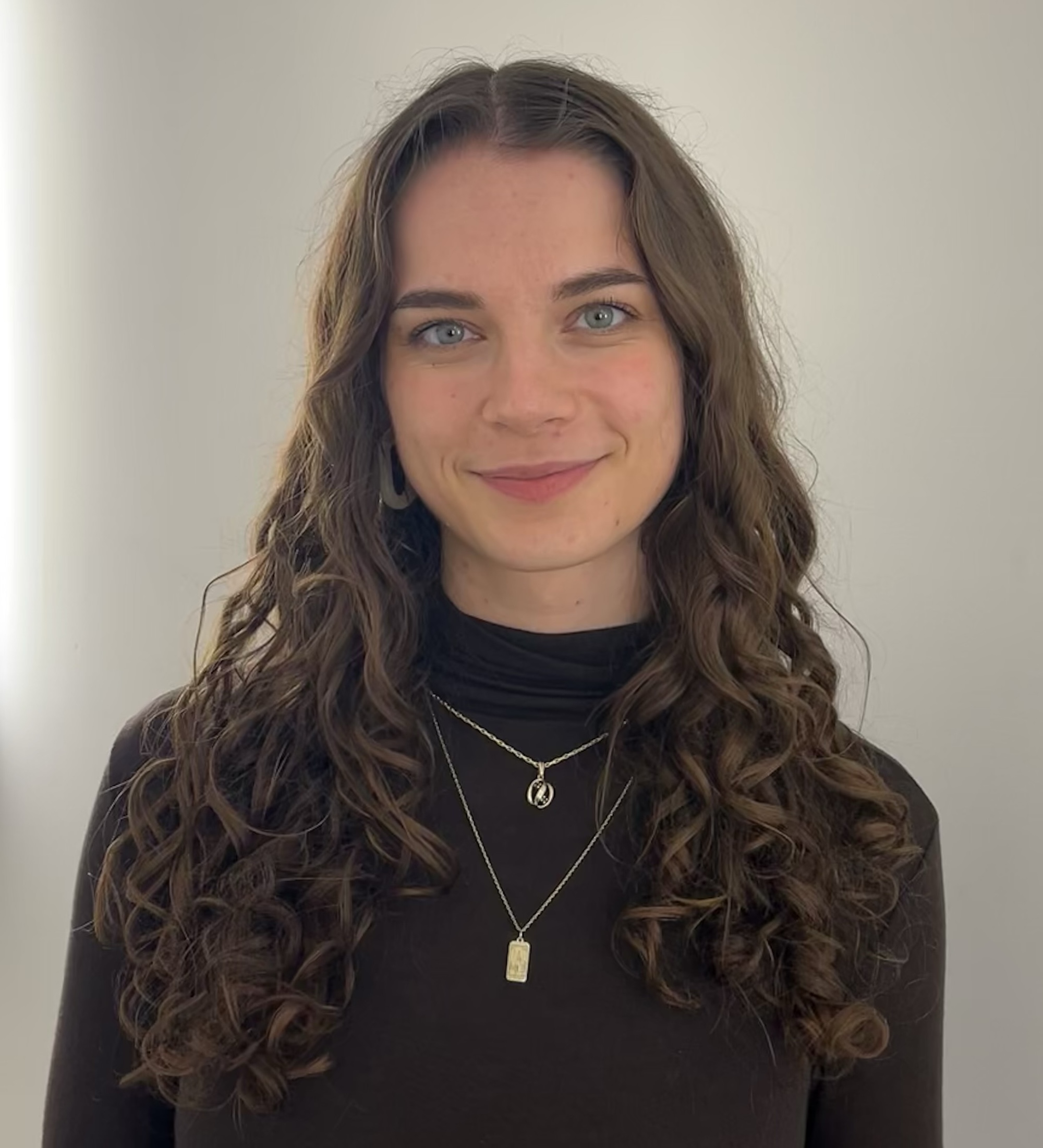
Georgina Petropoulou

Georgina Petropoulou is a PhD Researcher at the Medical University of Vienna, specializing in Representational Intelligence in Intensive Care Medicine. Her career spans several institutions, most recently including CERN, where she engineered Monte Carlo simulations and Kafka-based data pipelines for high-energy physics with the strategic goal of translating these models into nuclear medicine, radiopharmaceuticals, and radiotherapy planning. At King’s College London, Georgina conducted research into machine learning-enabled assessments of neonatal cortical brain development, utilizing MRI to identify biomarkers for novel neuroprotective treatments and automated disease diagnosis, following her MSc in Medical Engineering and Physics with Distinction. Her experience in generative and diffusion models was further refined at Imperial College London, focusing on complex medical image segmentation across MRI, CT, and X-ray modalities. With additional research foundations from University College London (UCL) and years of industrial innovation—paired with collectively winning the 2023 Technological Innovation Edison Award for developing AI products from scratch—Georgina is dedicated to bridging the gap between AI, medical engineering, and life-saving clinical applications.

Helena Hazeu

Helena Hazeu is a PhD candidate in the Representational Intelligence for Intensive Care (RIIC) lab where she contributes to improved critical care with AI. She holds a BSc in mechanical engineering from the Technical University of Vienna and a MSc in Computational Cognitive Science from the Rijksuniversiteit Groningen, complemented by over 2 years of industry experience developing software and AI solutions for energy and healthcare.

Join the lab

We are seeking motivated Master's students from the Medical University of Vienna or TU Wien who are interested in working at the intersection of representational intelligence and healthcare. If you are interested, please feel free to reach out to us directly.